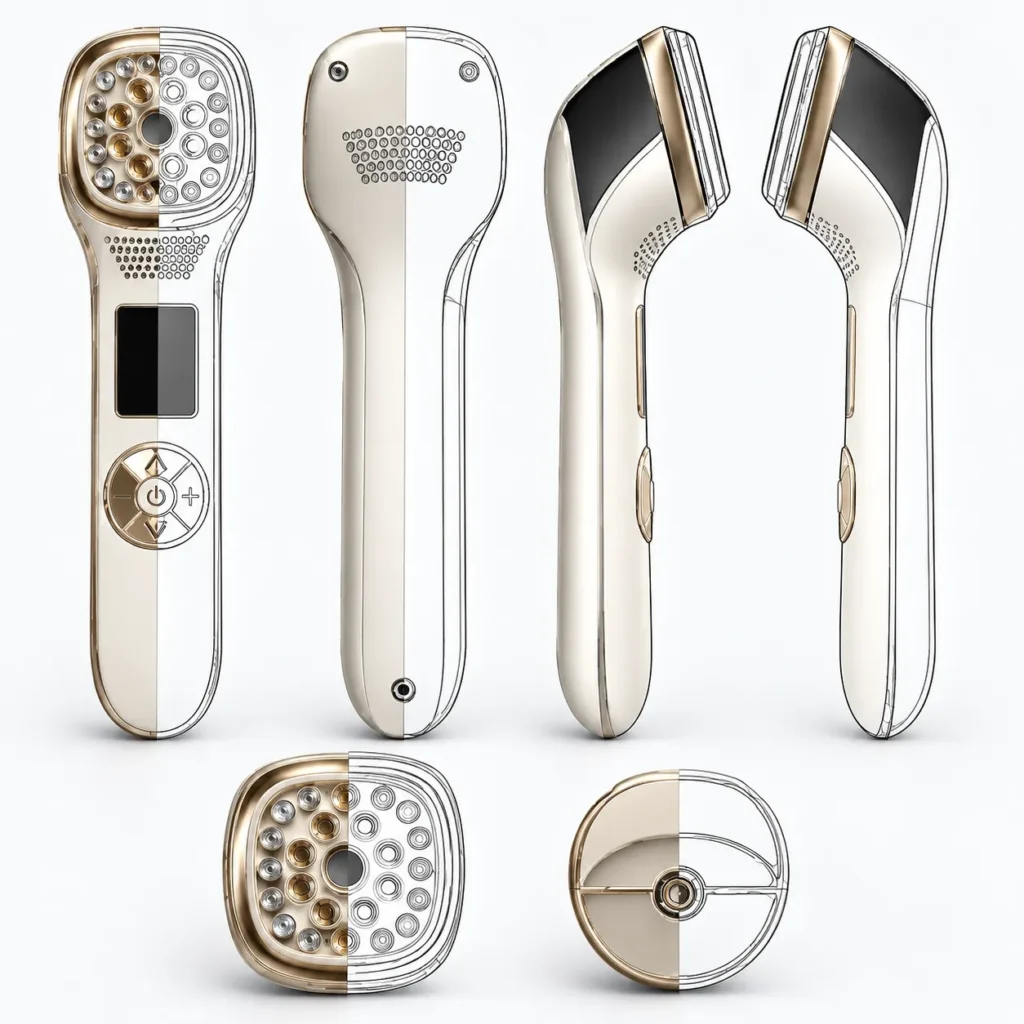
As beauty technology continues to expand into global markets, safety and compliance requirements for beauty devices, LED light therapy products, and other electronic skincare technologies are receiving increasing attention.
For beauty brands planning to enter international markets, understanding requirements related to electrical safety, electromagnetic compatibility, optical safety, environmental compliance, and product labeling can help establish a more effective product development process and reduce potential compliance risks.
Electromagnetic Compatibility (EMC) & Electrical Safety
Beauty electronic devices may need to meet applicable electrical safety and electromagnetic compatibility requirements depending on their design, intended use, and target market.
For example, IEC 60335-1 provides general safety requirements for household and similar electrical appliances, while relevant product-specific standards may also apply to certain skincare and haircare appliances, such as IEC 60335-2-23.
EMC testing evaluates whether a device can operate reliably within its intended electromagnetic environment while controlling electromagnetic emissions that could potentially interfere with other electronic equipment.
For beauty device brands, considering EMC and electrical safety requirements during the product design stage can help reduce the need for major adjustments later in the testing and development process.
LED Light Therapy & Eye Safety
As LED masks and light therapy devices become increasingly popular, optical radiation safety has become an important consideration during product development.
IEC 62471 provides a framework for evaluating the photobiological safety of lamps and lamp systems and assessing potential risks associated with optical radiation.
For LED beauty devices, safety considerations may involve factors such as:
- Wavelength
- Irradiance
- Exposure duration
- Treatment distance
- Light source configuration
- Intended conditions of use
Therefore, evaluating an LED beauty device involves more than simply selecting a specific light color or wavelength. The overall product design and intended usage conditions should also be taken into consideration.
RoHS, REACH & Material Compliance
In addition to electrical and optical safety, environmental and material compliance is another important part of international product development.
For electronic products entering the European market, requirements such as RoHS and REACH may apply depending on the specific product and applicable regulations.
RoHS primarily addresses restrictions on certain hazardous substances in electrical and electronic equipment, while REACH covers the registration, evaluation, authorization, and restriction of chemical substances.
For beauty devices, compliance considerations may involve:
- Device housing materials
- Electronic components
- Optical components
- Wires and cables
- Coatings and surface treatments
- Silicone and other contact materials
Establishing consistent material management and supplier controls can therefore play an important role in supporting long-term international distribution and brand operations.
Product Labeling & Technical Documentation
Product testing is only one part of market compliance.
When selling beauty electronic devices in different countries and regions, brands may also need to prepare appropriate product labels, user manuals, and technical documentation.
Depending on the product type and target market, relevant documentation may include:
- Product specifications
- Rated voltage and electrical information
- User instructions
- Safety warnings and precautions
- Product labeling
- Declarations of conformity
- Test reports
- Product traceability information
These materials should be kept consistent across the product itself, packaging, user manuals, and official website to help avoid discrepancies in product specifications or safety information.
Why Should Compliance Start During Product Development?
For beauty device brands, compliance should not be considered only after manufacturing has been completed.
Identifying the target market and applicable requirements at an early stage allows product development teams to consider electrical design, light source parameters, material selection, labeling, and testing requirements from the beginning.
This is particularly important for OEM and ODM projects.
From product design and prototype development to testing and mass production, each stage can affect the final compliance preparation. Clear technical communication between brands and OEM/ODM manufacturers can therefore help make the development process more structured and efficient.
Conclusion
The international beauty device market continues to evolve, while product safety and compliance remain important considerations for brands entering global markets.
Understanding the requirements of target markets, selecting appropriate testing programs, and incorporating compliance planning into the early stages of product development can help brands prepare more effectively for international distribution.
For OEM/ODM manufacturers, understanding testing, materials, labeling, and technical documentation is just as important as product design and manufacturing capabilities.
As beauty technology continues to advance, safe, reliable, and market-ready product development will remain an important foundation for the continued growth of the global beauty device industry.