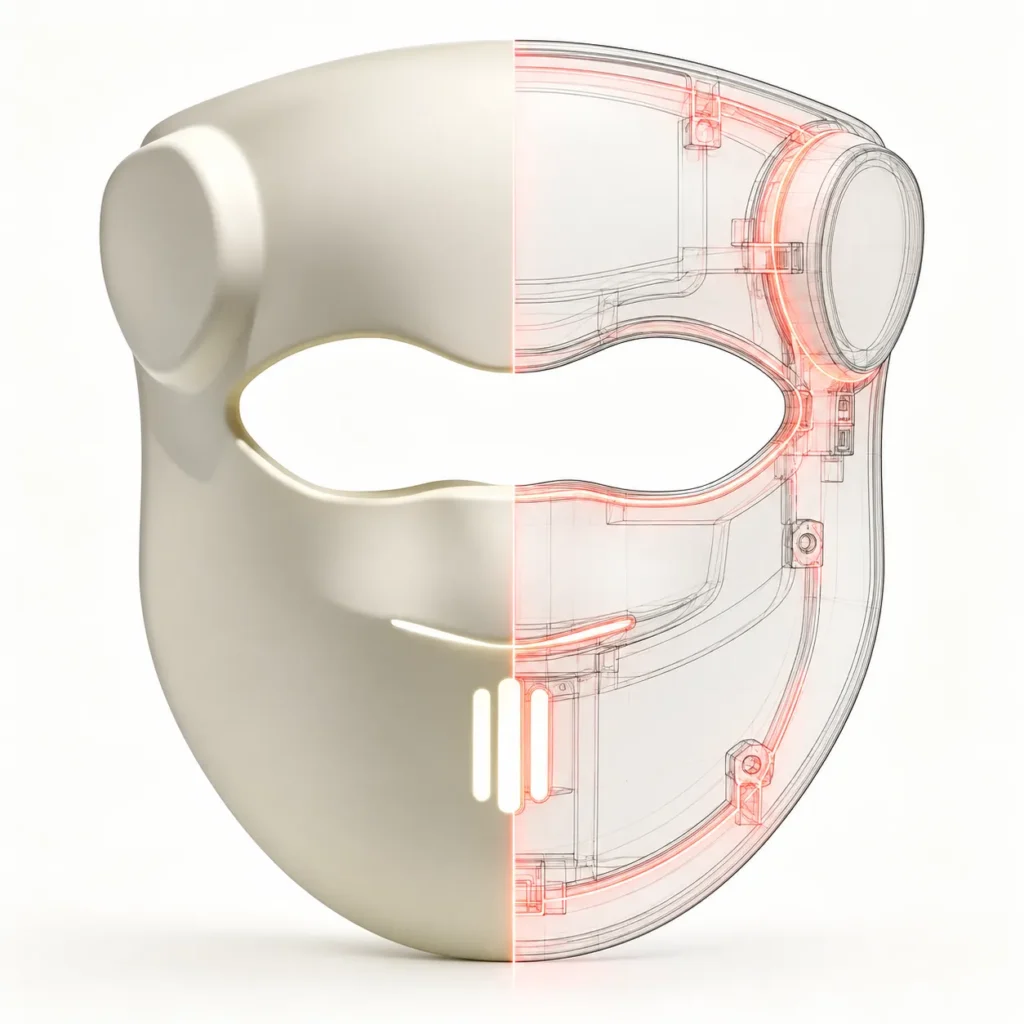
The home-use beauty device market continues to evolve as consumers become more familiar with technology-driven skincare and increasingly incorporate beauty devices into their daily routines.
In 2026, several technology and product development trends are shaping the category, including LED light therapy, microcurrent and electrical stimulation, multifunctional devices, and more personalized treatment experiences.
For beauty brands, understanding these trends can provide useful insights when planning new products and developing the next generation of home-use beauty devices.
The Continued Growth of LED Light Therapy
LED light therapy remains one of the most visible technologies in the home-use beauty device market.
Red and near-infrared wavelengths are widely used in consumer LED skincare products, while blue light is also commonly incorporated into devices targeting acne-prone skin.
Recent market research continues to identify light-based technologies, including LED, as an important part of the at-home beauty device category. The growing availability of LED masks, handheld devices, and multifunctional light therapy systems is also making light-based skincare more accessible to consumers.
For manufacturers and brands, the focus is increasingly shifting from simply adding LED lights to developing more carefully engineered systems with defined wavelengths, consistent optical output, treatment protocols, and appropriate safety considerations.
Multi-Technology Devices Are Becoming More Common
Consumers are increasingly interested in devices that combine multiple functions within a single product.
Instead of purchasing separate devices for different skincare routines, users can find products combining technologies such as:
- LED light therapy
- Microcurrent
- EMS
- Radio Frequency (RF)
- Thermal care
- Vibration
- Facial cleansing
Recent beauty-tech launches and industry coverage show continued movement toward multifunctional devices that combine several treatment technologies within a single platform.
For beauty brands, multifunctional product design can also create opportunities to develop different product configurations, treatment modes, and price tiers around the same core technology platform.
Personalization & Smarter Beauty Care
Personalization is another important direction in beauty technology.
Consumers are becoming more familiar with digital skincare tools, while manufacturers are exploring ways to make treatments more adjustable and user-focused.
Features may include:
- Adjustable intensity levels
- Multiple treatment modes
- Automatic shut-off
- Treatment timers
- Skin analysis
- App-connected controls
- Customized treatment programs
At CES 2026, several beauty-tech concepts highlighted the growing connection between skincare, sensors, AI, and personalized treatment experiences.
However, smart functionality does not necessarily mean adding complex technology to every device. For many home-use products, simple controls, clear treatment programs, and easy-to-understand instructions can be just as important for creating a positive user experience.
From Single-Function Tools to Integrated Beauty Platforms
The category is gradually moving beyond single-purpose beauty tools toward more integrated product platforms.
A single handheld device may combine several technologies, while LED masks and other wearable systems are increasingly being designed around multiple wavelengths and treatment options.
This shift creates new opportunities for OEM and ODM development. Brands can customize product configurations, treatment modes, materials, interfaces, packaging, and user experiences around their specific market positioning.
The result is a wider range of possibilities for developing products for different consumer groups and market segments.
Convenience Remains a Key Driver
One of the fundamental advantages of home-use beauty devices is convenience.
Consumers can incorporate short treatment sessions into existing skincare routines without needing to schedule professional appointments. This convenience is helping beauty devices move from niche technology products toward more regular home-care tools.
For product developers, this means that ease of use is becoming increasingly important.
Lightweight designs, ergonomic structures, simple controls, rechargeable batteries, comfortable wearable formats, and clearly defined treatment times can all contribute to a better home-use experience.
What These Trends Mean for Beauty Brands
For distributors, retailers, and beauty brands, the development of the home-use beauty device market creates opportunities as well as new product-development considerations.
Successful product development requires more than simply combining popular technologies. Brands also need to consider:
- Target consumer needs
- Product positioning
- Technology selection
- User experience
- Safety and compliance
- Product differentiation
- Manufacturing feasibility
- Target market requirements
Working with an experienced OEM/ODM partner can help brands evaluate different technology combinations and translate product concepts into commercially viable devices.
Conclusion
The 2026 home-use beauty device market is evolving toward more integrated, technology-driven, convenient, and personalized skincare experiences.
LED light therapy, microcurrent and electrical stimulation, multifunctional designs, and smart features are contributing to this evolution, while consumers continue to look for practical technologies that fit naturally into their daily routines.
For beauty brands, the opportunity lies not simply in following every new trend, but in understanding how technology, user needs, product design, and market requirements can work together to create meaningful new products.
As the category continues to develop, thoughtful product engineering and flexible OEM/ODM development will remain important for brands looking to build differentiated beauty device portfolios.